
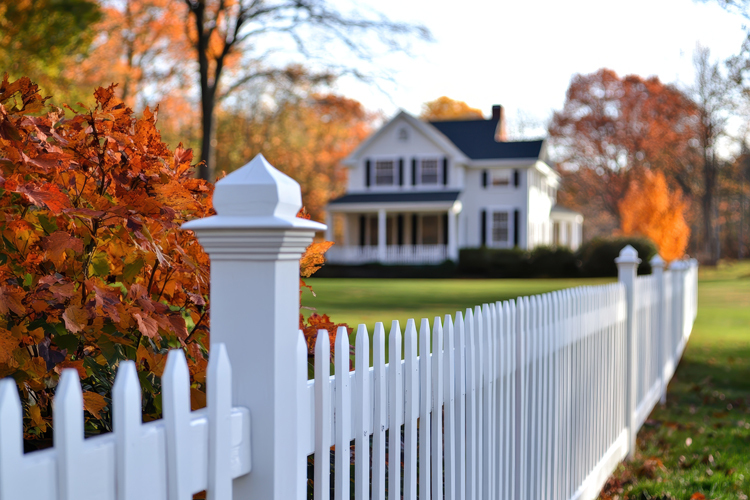
How to Honor the Past While Building Something That Lasts
New England is full of homes with stories to tell. From saltbox colonials and Federal-style farmhouses to Victorian beauties and early 20th-century cottages, historic homes define the character of our towns. If you’re lucky enough to own one, you know that every exterior decision matters.
Fencing is no exception. The right fence doesn’t just define your property line. It frames your home, protects your yard, and quietly reinforces the architectural story your house is already telling. The wrong fence? It can feel out of place—even if it’s brand new.
At AVO Fence & Supply, we work with homeowners across New England who want fencing that respects history while meeting modern needs. Here’s what to consider when designing a fence for a historic New England home.
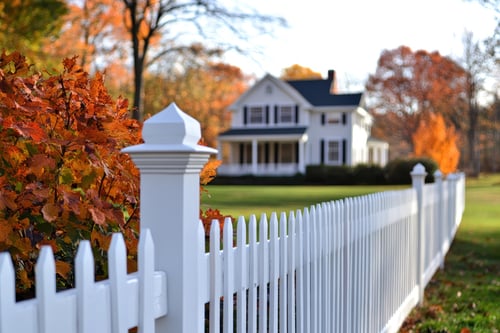
Start With the Architecture
Before you choose materials or styles, take a step back and really look at your home.
Is it a classic Colonial with symmetrical windows and simple trim? A farmhouse with a wide front porch? A Victorian with ornate details? Each architectural style suggests different fence options.
For example:
- Colonial and Federal homes often pair beautifully with traditional picket fences or understated post-and-rail designs.
- Farmhouses and rural properties tend to look best with split rail, post-and-rail, or simple board fencing.
- Victorian homes can support more decorative picket tops or slightly more detailed fence profiles.
The goal isn’t to create a museum replica; it’s to choose a fence that feels like it could have always been there.
Understand Local Historic District Guidelines
If your home is located in a designated historic district, your town may have regulations governing exterior changes—including fencing.
In many Massachusetts communities, local historic commissions review proposed changes for homes within official districts listed on the National Register of Historic Places. Even if your home isn’t formally listed, towns may still have preservation bylaws.
Common restrictions can include:
- Maximum fence height (especially in front yards)
- Approved materials (often wood over vinyl)
- Fence placement relative to sidewalks
- Prohibited styles (such as solid privacy fencing in front yards)
Before ordering materials, it’s wise to check with your local building department or historic commission. A little planning upfront saves a lot of frustration later.
Choose Materials That Fit the Era
Wood: The Classic Choice
For most historic New England homes, wood remains the gold standard. It’s authentic, versatile, and ages beautifully.
Eastern white cedar, in particular, has long been a regional favorite. It’s naturally resistant to rot and insects, weathers to a soft gray over time, and feels perfectly at home in coastal and inland settings alike.
Wood fences can be:
- Left natural to weather
- Stained to highlight grain
- Painted white for that quintessential New England look
If your home already features painted trim, shutters, or clapboards, a painted wood fence often ties everything together seamlessly.
What About Vinyl?
Vinyl fencing has come a long way. It offers low maintenance and long-term durability. However, in strictly historic settings, vinyl may not be permitted—or it may visually clash with older architecture if not carefully selected.
If maintenance is a major concern, talk with your local commission (if applicable) and work with a supplier who understands how to balance durability with aesthetics.
At AVO, we help homeowners weigh these decisions carefully, especially when authenticity matters.
Height and Scale Matter More Than You Think
One of the most common mistakes in historic neighborhoods is building a fence that overwhelms the home.
Older New England houses were designed for human scale. Front yard fences were typically:
- 3 to 4 feet tall
- Open in design (picket or post-and-rail)
- Visually light rather than solid
Tall, solid privacy fences in front yards can feel out of place and may even violate local regulations.
If privacy is a priority, consider:
- Keeping the front fence lower and more traditional
- Installing taller fencing in the backyard only
- Using landscaping (hedges, shrubs, trees) to create privacy naturally
A layered approach often works best—especially in neighborhoods where homes sit close to sidewalks or village streets.
Picket Fence Styles: Subtle Details Make a Big Difference
Not all picket fences are created equal.
Details such as picket spacing, top profiles, and post caps can shift a fence from “generic suburban” to “historically appropriate.”
Here are a few style considerations:
- Flat-top pickets feel simple and classic.
- Dog-ear pickets add a soft, traditional detail.
- Slightly spaced pickets preserve openness and curb appeal.
- Simple post caps (rather than ornate finials) suit Colonial and farmhouse styles.
For Victorian homes, slightly more decorative picket tops can work—but restraint is key. You want complement, not competition.
Post-and-Rail and Split Rail for Rural Properties
If your historic home sits on acreage or in a rural setting, post-and-rail or split rail fencing can feel credibly authentic.
These styles:
- Define boundaries without blocking views
- Work beautifully with stone walls
- Enhance pastoral or farmhouse settings
Many historic New England properties already feature old stone walls. Instead of replacing them, consider incorporating fencing that works alongside these existing elements.
The combination of wood rails and historic stone can create a timeless look that feels rooted in place.
Respect the Streetscape
Historic neighborhoods are about more than individual homes—they’re about how homes relate to one another.
When designing your fence, walk the street and observe:
- Fence heights along the block
- Common materials
- Spacing between fence and sidewalk
- Whether front yards are mostly open or enclosed
Consistency helps preserve neighborhood character.
If most homes have low, open picket fences—or none at all—a tall solid barrier may feel jarring. Even if technically allowed, it may not be the best aesthetic choice.
Good design in historic areas is about harmony, not just compliance.
Gates: Functional and Beautiful
Don’t overlook the gate. In many historic homes, the front gate becomes a charming focal point. A gently arched gate, traditional latch hardware, or classic black hinges can add just enough detail without overpowering the home.
Keep proportions consistent:
- A 3- to 4-foot-wide walk gate often feels appropriate in front yards.
- Double driveway gates should remain simple and understated.
Hardware in black or oil-rubbed finishes typically complements historic aesthetics better than bright stainless steel.
Think About Longevity
Historic homes have lasted 100, 150, even 200 years because they were built with durability in mind. Your fence should follow the same philosophy.
Investing in high-quality materials and proper installation ensures:
- Straighter lines
- Stronger posts
- Better resistance to frost heave (a real concern in New England winters)
- Longer lifespan overall
Pressure-treated posts set properly below frost line, quality fasteners, and regionally appropriate wood all make a difference.
A well-built wood fence can last decades with proper care. And if maintained, it ages gracefully alongside your home.
Blending Old and New Thoughtfully
Modern life brings modern needs. You may have:
- Dogs that need secure containment
- A pool requiring code-compliant fencing
- A desire for backyard privacy
- Security considerations
The key is thoughtful placement.
Keep historically sensitive design elements visible from the street. Reserve higher privacy fencing or code-required enclosures for rear yards where they won’t disrupt the historic streetscape.
Design can meet safety and lifestyle needs without sacrificing architectural integrity.
Sustainability Considerations
For many New England homeowners, sustainability matters.
Wood fencing—especially when sourced responsibly—can be an environmentally friendly option. Cedar is renewable and biodegradable, and local sourcing reduces transportation impact.
Maintaining and repairing a wood fence rather than replacing it entirely also reduces material waste.
If eco-conscious choices are important to you, ask your supplier about sourcing, longevity, and repair options. Thoughtful material selection supports both your home’s history and the environment.
Work With a Supplier Who Understands New England
Historic New England homes aren’t generic or cookie-cutter replicas—and your fencing shouldn’t be either.
At AVO Fence & Supply, we understand:
- Regional architectural styles
- Local building and historic district considerations
- New England climate challenges
- The visual importance of getting the details right
We supply high-quality wood and other fencing materials that help homeowners, contractors, and DIYers create fences that feel authentic and enduring.
Whether you’re restoring a 1700s Colonial, updating a 19th-century farmhouse, or simply trying to match your home’s traditional character, we’re here to help you choose materials and styles that make sense.
Final Thoughts: Honor the Past, Build for the Future
Designing a fence for a historic New England home is about balance.
You want:
- Respect for architectural heritage
- Compliance with local guidelines
- Function for modern living
- Durability for harsh winters
- Beauty that enhances curb appeal
When done thoughtfully, a fence doesn’t just enclose your yard. It frames your home, anchors it to the landscape, and strengthens the historic character of your neighborhood.
The best fences don’t shout for attention. They quietly belong.
And in New England, belonging matters.
Ready to Preserve History With Your Next Fence Project?
If you’re planning a fence project for your historic home, the team at AVO Fence & Supply is ready to help you design something that honors the past and stands strong for decades to come.
Visit AVO Fence & Supply to explore our high-quality materials, ask questions, and get expert advice. We have locations in Stoughton, Hingham, and Plymouth, MA. Give us a call today at (781) 341-2963 and let’s build something strong, secure, and designed to last.