
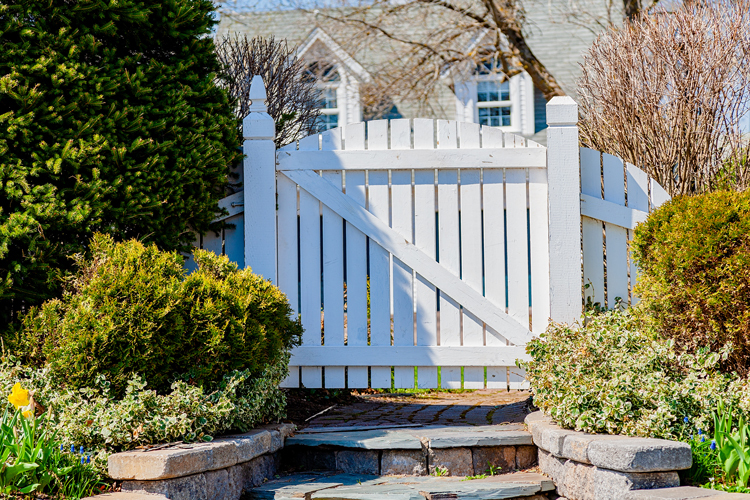
The Importance of Style, Size, Placement, and Function
When homeowners start planning a new fence, most of the attention naturally goes to materials, height, and overall layout. But there’s one feature that deserves just as much thought: your fence gate. A well-chosen gate improves convenience, security, curb appeal, and how your yard functions every day.
At AVO Fence & Supply, we often tell customers that the right gate makes a fence feel complete—not just visually, but practically. Whether you're installing a new fence or upgrading an existing one, this guide will walk you through how to choose the right gate for your yard based on style, size, placement, slope, and everyday access needs. Let’s take a closer look.
Start with Function: How Will You Use the Gate?
Before choosing a gate style or size, think about how you’ll actually use it.
Ask yourself:
- Will this be your primary entry point to the yard?
- Do you need space for lawn equipment?
- Will pets use this area frequently?
- Do guests enter through this gate?
- Is vehicle access required?
Your answers help determine whether you need a single gate or a double gate, and where the gate should be located. A decorative front-yard entry gate has different requirements than a backyard utility gate, and choosing the right type upfront saves frustration later.
Single vs. Double Gates: Which One Do You Need?
One of the first decisions homeowners make is whether to install a single gate or a double gate.
Single Gates
Single gates are the most common residential option. They’re ideal for:
- Everyday foot traffic
- Access between the front and backyard
- Pet entry and exit
- Walkways and garden paths
Most single gates range between 3 and 5 feet wide, which works well for people, wheelbarrows, and small lawn equipment.
They’re also:
- More affordable
- Easier to install
- Easier to maintain
- Less visually dominant
For many homes, a single gate is all that’s needed.
Double Gates
Double gates provide a wider opening and are best suited for:
- Riding lawn mowers
- Snowblowers
- Trailers
- Boat or camper storage access
- Backyard vehicle entry
- Large landscaping equipment
Typically, double gates create an opening between 8 and 12 feet wide, depending on your needs. In New England properties, many homeowners choose double gates for backyard access during seasonal maintenance or snow management. If there’s even a chance you’ll want larger equipment access later, installing a double gate now is often the smarter long-term choice.
Front Yard vs. Backyard Gates: Different Roles, Different Priorities
Not all gates serve the same purpose. A front yard gate is usually about appearance and welcoming access, while a backyard gate focuses more on function and privacy.
Front Yard Gates
Front yard gates often:
- Frame the entrance to your property
- Complement landscaping
- Match architectural features of the home
- Provide controlled entry from sidewalk to walkway
These gates tend to be narrower and more decorative. Popular materials include:
- Wood picket styles
- Vinyl
- Aluminum
Because they’re highly visible, front yard gates should closely match your fence style and home aesthetic.
Backyard Gates
Backyard gates are typically more functional.
They’re used for:
- Equipment access
- Trash bin movement
- Pet entry
- Pool safety compliance
- Side-yard transitions
Backyard gates are often wider and sometimes placed in less visible areas, which gives homeowners flexibility to prioritize durability and practicality over decoration. Still, they should match the fence design whenever possible for a cohesive look.
Matching Your Gate to Your Fence Style
A gate should feel like a natural extension of your fence, not an afterthought.
That means matching:
- Material
- Height
- Color
- Post style
- Hardware finish
For example:
Vinyl privacy fence → Vinyl privacy gate
Wood picket fence → Wood picket gate
Aluminum ornamental fence → Aluminum ornamental gate
Consistency keeps your yard looking polished and intentional. At AVO, we help homeowners select gate hardware that complements both the fence and the home exterior, creating a finished appearance that enhances curb appeal instead of distracting from it.
Gate Placement Tips That Make Everyday Life Easier
Where you place your gate matters just as much as what type you choose.
Strategic placement improves:
- Yard flow
- Convenience
- Safety
- Equipment access
- Pet management
Here are a few placement guidelines we recommend:
Place Gates Where You Naturally Walk
Think about how people already move through your yard.
Ideal gate locations often align with:
- Walkways
- Driveways
- Patio exits
- Side-yard paths
- Garden entrances
Following existing traffic patterns makes the gate feel intuitive to use.
Include At Least One Utility Access Point
Even if your main entry gate is decorative, it’s smart to include a secondary access gate sized for equipment.
Future-you will appreciate this when moving:
- Lawn mowers
- Mulch deliveries
- Wheelbarrows
- Snow removal equipment
Many homeowners don’t realize how useful this second gate becomes until after installation.
Avoid Tight Corners
Installing a gate too close to a house corner, tree, or retaining wall can limit how far it opens.
Make sure there’s enough clearance for:
- Full swing range
- Comfortable walking access
- Equipment movement
A professional installer can help plan this correctly the first time.
Planning for Sloped Yards (Especially Important in New England)
Sloped yards are very common throughout New England, and they affect how gates operate. Unlike fence panels, gates must swing freely. That means slope direction matters.
If your yard slopes downward away from the hinge side, installation is usually straightforward.
But if the ground rises in the swing direction, adjustments may be needed, such as:
- Stepping the fence line
- Adjusting hinge height
- Installing a custom-width gate
- Using specialized hardware
Ignoring slope during planning can lead to gates that drag, stick, or won’t open fully. That’s why evaluating grade changes early in the design process is essential.
Planning Gate Size Around Access Needs
Think beyond foot traffic when choosing gate width. Consider everything that may need to pass through your gate over time.
Common access requirements include:
Lawn Equipment
If you use, any of these, you’ll likely want at least one wider access point.
- Riding mowers
- Push mowers
- Snowblowers
- Aerators
Pets
Pet owners often benefit from gates that include:
- Self-closing hinges
- Secure latches
- Tight spacing between pickets
- Durable chew-resistant materials
If your dog is energetic or likes to test boundaries, hardware quality becomes especially important.
Pool Access
If your yard includes a pool, or may include one later, your gate may need to meet safety code requirements such as:
- Self-closing hinges
- Self-latching mechanisms
- Minimum height standards
Planning ahead avoids costly retrofits later.
Trash and Recycling Movement
This is one of the most overlooked considerations.
Make sure your gate allows easy movement of:
- Trash bins
- Recycling carts
- Yard waste containers
Especially if they’re stored behind the fence.
Choosing the Right Gate Hardware
Hardware plays a bigger role than most homeowners expect.
Quality hinges and latches:
- Improve durability
- Prevent sagging
- Increase security
- Extend gate lifespan
Options include:
- Gravity latches
- Keyed locks
- Decorative handles
- Magnetic closures
- Self-closing hinges
We often recommend heavier-duty hardware in New England climates because seasonal expansion, contraction, and frost movement can affect alignment over time.
Think About Future Needs, Not Just Today’s Needs
One of the most common things we hear from homeowners is: “I wish we had made the gate a little wider.”
It’s smart to plan for:
- Future landscaping projects
- Equipment upgrades
- Storage changes
- Backyard improvements
- Accessibility needs
A slightly wider gate today can prevent a major inconvenience tomorrow.
The Right Gate Completes the Fence
A well-designed fence gate improves how your yard looks and how it functions.
The best gate choice balances:
- Style
- Placement
- Width
- Slope compatibility
- Access needs
- Long-term usability
At AVO Fence & Supply, we help homeowners across the region design fence systems where the gates feel intentional, durable, and easy to use every day.
If you’re planning a new fence, or upgrading an existing one, our team is happy to help you choose gate options that fit your yard, your lifestyle, and your future plans. Because the right gate doesn’t just open your fence; it opens your yard to better living.
AVO Fence is the leading cedar supplier in New England with locations in Stoughton, Hingham, and Plymouth. Give us a call today at (781) 341-2963.